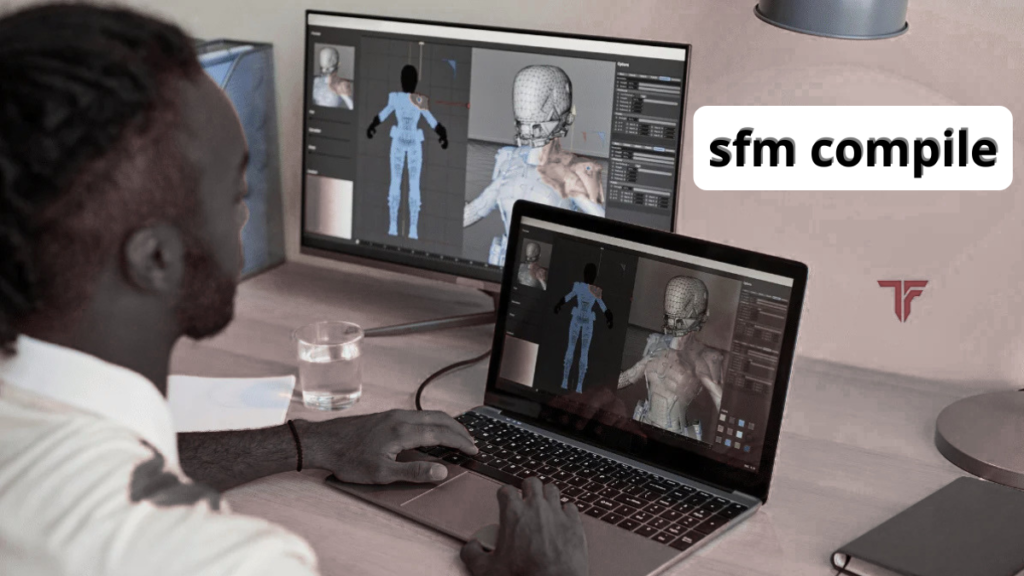

sfm compile is a crucial process widely used by creators, especially in animation and modding communities, to prepare models, scenes, and sequences for final rendering. Understanding sfm is important for both beginners and advanced users because it ensures that projects work properly and appear as intended. Without proper compilation, animations can break or fail to render correctly.
In practical terms, sfm allows creators to organize complex scenes, check for errors, and optimize files before publishing. Many new users encounter challenges when first working with sfm compile due to technical requirements, naming conventions, and dependencies. Mastering this process can significantly improve the quality and stability of final outputs.
What is sfm compile and why it matters
sfm compile refers to the process of converting source files into a usable format for Source Filmmaker (SFM). This involves compiling models, textures, and animations into a format that SFM can read efficiently. Using sfm correctly ensures that characters, objects, and environments display as intended, preventing errors or glitches during playback or rendering.
The importance of sfm compile extends beyond functionality. Proper compilation optimizes file sizes, reduces lag, and maintains consistent animation performance. For creators working on complex projects with multiple models, lights, and particle effects, sfm is essential to keep the workflow smooth and reliable.
Common challenges with sfm compile
Many users face difficulties when performing sfm compile, especially when importing custom models or third-party assets. Common issues include missing textures, incorrect bone hierarchies, and failed animations. Understanding how to troubleshoot these problems is critical to ensure the final project functions correctly.
Another challenge arises from misconfigured paths and dependencies during sfm . Creators often encounter errors if models reference missing materials or scripts. Learning best practices for file management, naming conventions, and correct directory placement can prevent these issues and save hours of troubleshooting during compilation.
Step-by-step guide to performing sfm compile
The sfm compile process begins with preparing source files, including models, animations, and textures. The next step is ensuring all dependencies are present and correctly referenced. Following this, the compilation software or commands are applied to convert files into the final SFM-ready format.
It is important to test projects after sfm to confirm that animations play correctly and assets display as expected. Iterative testing and minor adjustments often accompany the compilation process. Understanding these steps thoroughly ensures smoother workflow and reduces the risk of major errors in final renders.
Best practices for sfm compile
Using sfm compile effectively requires adopting several best practices. Always keep backups of original files before compiling, and organize project assets systematically. Properly naming models, textures, and sequences reduces errors during compilation and simplifies troubleshooting.
Optimizing files for sfm also improves performance. Reducing unnecessary polygons, using compressed textures, and avoiding redundant animations helps maintain stability and speed. Following community guidelines and tutorials can further enhance the efficiency of sfm compile and prevent common pitfalls.
Impact of proper sfm compile on final projects
Proper use of sfm compile has a significant impact on the quality and reliability of final SFM projects. Well-compiled files render faster, with fewer glitches, and allow for smoother animation playback. This is particularly important for creators working on longer sequences or high-detail scenes.
Moreover, correct sfm ensures that collaboration is easier when multiple users are involved in a project. Compiled files can be shared with confidence, knowing that assets will function as intended without requiring extensive troubleshooting by other team members.
Conclusion
sfm compile is a fundamental aspect of Source Filmmaker projects that directly affects workflow, quality, and final output. Understanding the process, avoiding common pitfalls, and following best practices can save time and enhance the stability of animations and scenes. By mastering sfm compile, creators can focus on storytelling and creativity without being hindered by technical issues.
Proper compilation emphasizes the importance of preparation, organization, and iterative testing. The better the sfm is executed, the smoother and more professional the final project will appear, making it a vital skill for anyone working with SFM.
FAQs
What does sfm compile do?
sfm compile converts source files, models, textures, and animations into a format readable by Source Filmmaker, ensuring smooth playback and proper rendering.
Why is sfm important?
It prevents errors, optimizes performance, and ensures that all assets in a project display correctly. Without proper compilation, animations may glitch or fail.
What are common issues during sfm ?
Missing textures, incorrect bone structures, and misconfigured paths are the most frequent problems faced during compilation.
How can beginners perform sfm effectively?
Prepare files carefully, follow step-by-step tutorials, organize assets, and test iteratively to ensure successful compilation.
Can sfm improve project performance?
Yes, optimized and well-compiled files reduce lag, prevent crashes, and improve rendering speed and animation consistency.